Workforce Management System Benefits That Support Business Growth in 2026


Table of contents
One unstitched HR platform to manage your entire workforce, from hire to rehire.
Talent Management solutions built for growing and exceptional people
Built-in compliance tools that update with changing regulations
Automated payroll, attendance, and leave management
Insights that help HR leaders make faster, better decisions

Key Takeaways
- A workforce management system centralizes attendance, leave, shifts, payroll inputs, compliance, and analytics into one operating layer for enterprise HR.
- The biggest benefits are real-time workforce visibility, reduced transactional HR work, stronger data security and compliance, better cross-stakeholder collaboration, and support for distributed teams.
- HR operations teams and administrators benefit from automation; CHROs and HRBPs benefit from analytics and workforce visibility; employees benefit from self-service.
- Modern platforms add AI-powered analytics and forecasting that connect workforce decisions to business outcomes.
- ZingHR delivers these benefits as an AI-powered Hire-to-ReHire platform, a single source of employee truth across HR, managers, employees, and leadership.
Labour costs, staffing gaps and compliance issues rarely exist in isolation. They are often the result of disconnected workforce management data, inconsistent scheduling and limited visibility into day-to-day operations. When managers cannot see who is available, where resources are needed or how workforce trends are changing, even routine decisions can affect productivity, payroll accuracy and service levels.
A modern workforce management software platform brings together attendance tracking, employee scheduling, leave, time and labour data into a single platform, giving HR teams and managers the visibility they need to plan workforce effectively.
This article explores the key workforce management system benefits and how the right workforce management solution ties every workflow into one system of record and action.
5 Workforce Management System Benefits That Drive Enterprise HR Performance
The table below maps each core benefit to the enterprise HR outcome it delivers and who gains most inside the organization.
Why Workforce Management Systems Matter for Enterprise HR
For enterprise HR teams, employee management now includes workforce visibility, payroll inputs, compliance workflows, employee self-service, manager approvals, workforce performance data and leadership reporting.
When these processes run on spreadsheets, emails, and disconnected tools, HR teams spend more time managing transactions than enabling people strategy. A modern employee management system should not be another isolated HR tool. For enterprise HR teams, it should act as a connected HCM layer that brings employee data, workflows, payroll inputs, compliance, and analytics into a single system of record and action.
ZingHR helps enterprises move from fragmented HR operations to an AI-powered HR software platform where HR, managers, employees and leadership can access the same trusted data and take action faster.
1. Gain Real-Time Workforce Visibility
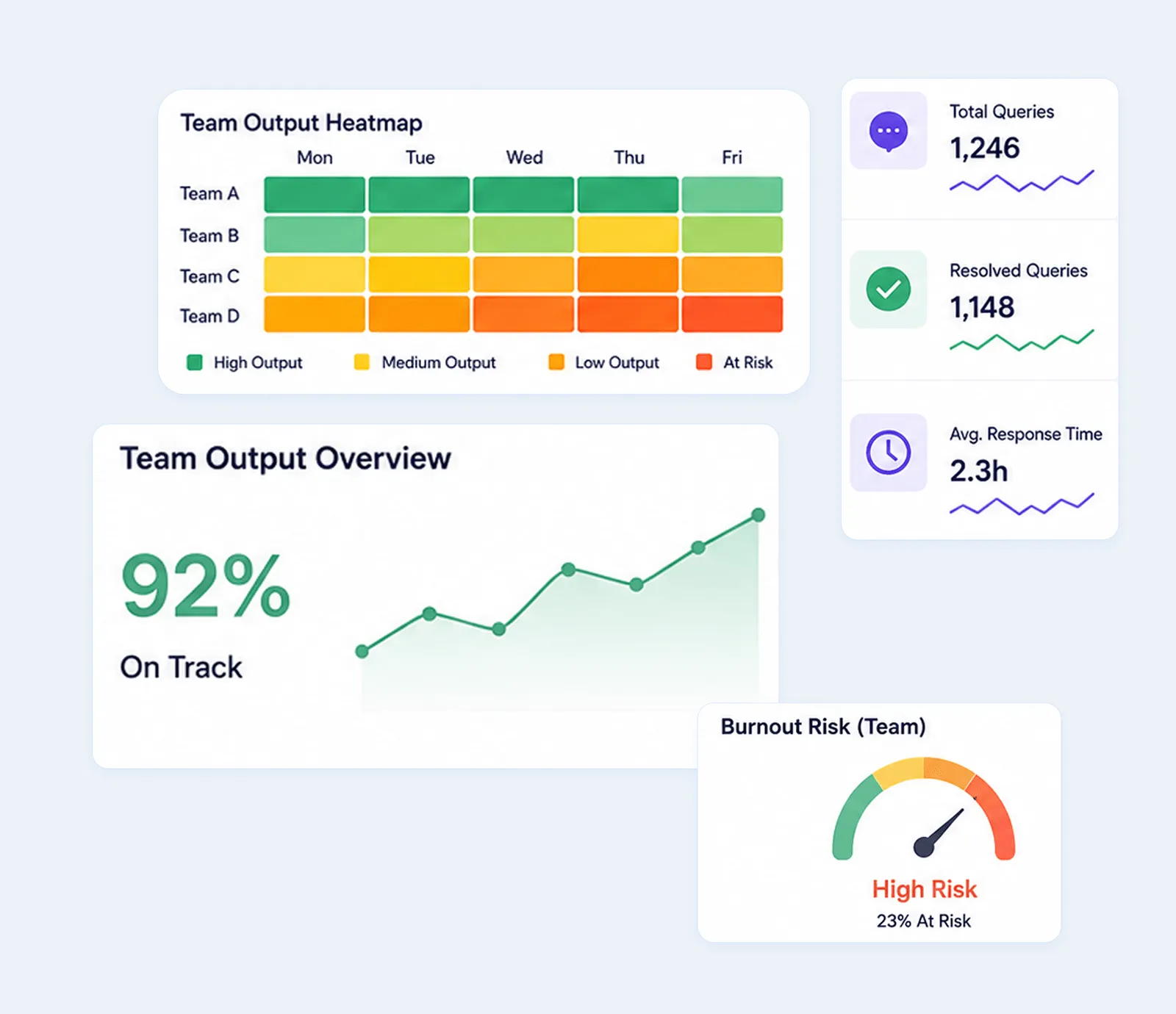
An effective workforce management system gives HR teams and managers real-time visibility into attendance, work location, leave, shifts, and workforce availability. Instead of relying on manual updates or disconnected reports, leaders can access accurate employee data from a single system of record and take timely action when exceptions arise.
With ZingHR Workforce Management, organisations can monitor attendance, shifts, leave, geo-tagged clock-ins and workforce availability through configurable dashboards updated in real time.
Managers receive instant visibility into exceptions such as absenteeism, late arrivals and staffing gaps, enabling faster decisions without waiting for end-of-day reports. The platform also integrates with payroll and core HR, ensuring workforce data remains accurate and consistent across every stage of the employee lifecycle.
Key Features
- Live attendance and shift tracking: The system captures attendance, shift status and work location in real time across offices, plants, stores and field teams to replace end-of-day manual reconciliation with a continuously accurate view.
- Exception alerts: When absences, late check-ins, or coverage gaps occur, managers receive alerts so they can act before a shift or payroll cycle is affected.
- Leadership dashboards: CHROs and HRBPs get consolidated dashboards that summarize headcount, availability and workforce trends without pulling data from multiple spreadsheets.
2. Reduce Transactional HR Work Through Automation
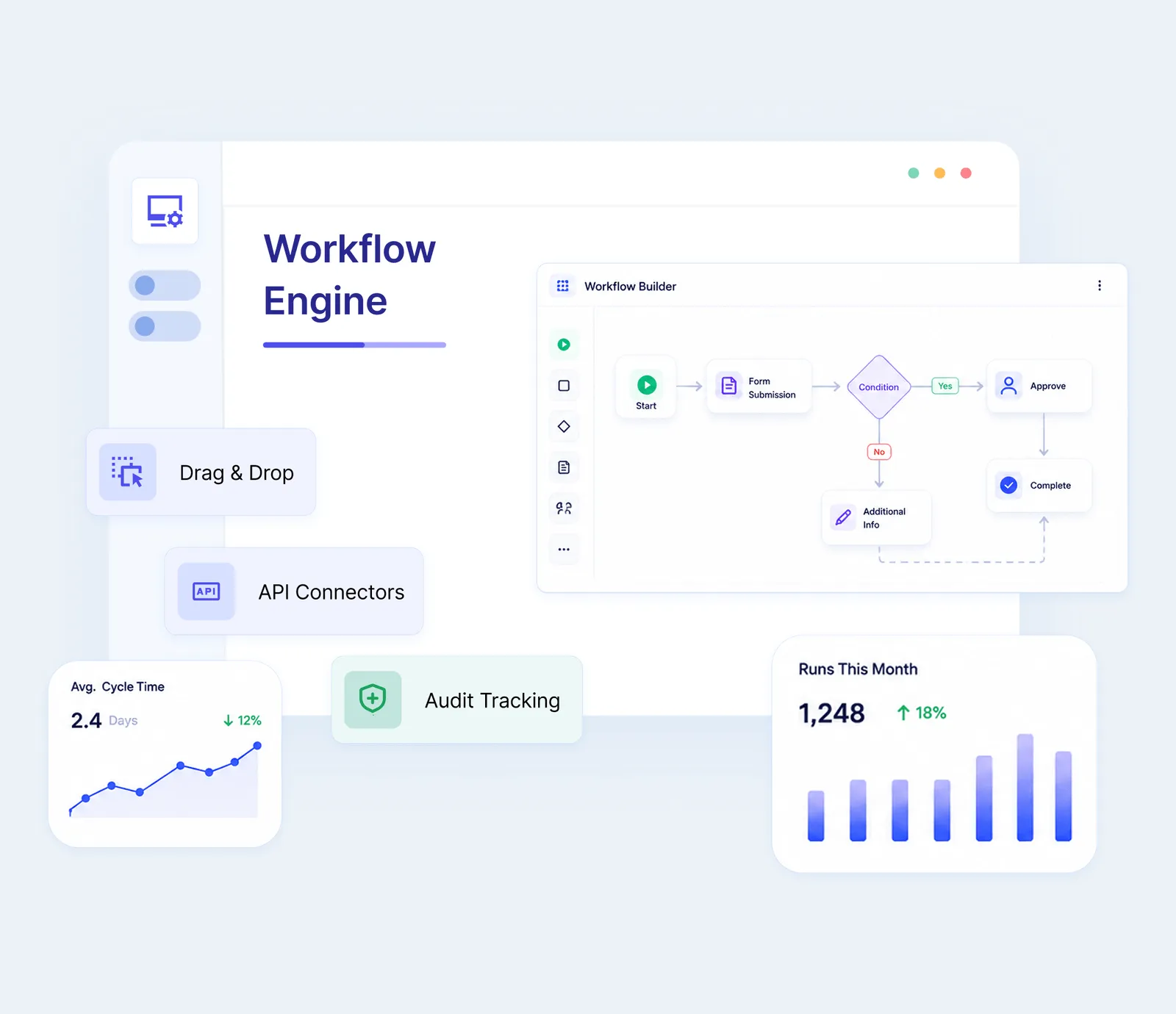
HR teams spend significant time on repetitive processes such as attendance regularization, leave approvals, payroll inputs, employee data updates, onboarding tasks, and policy workflows. A unified HCM platform automates these transactions, reduces manual errors, and frees HR teams to focus on workforce planning, employee experience and strategic priorities.
Zing Intelligence Hub automates routine HR interactions through AI-powered workflows and a conversational assistant.
Employees can submit leave requests, check attendance, access payslips, update personal information and raise HR requests without manual intervention from HR teams. This reduces repetitive administrative work, speeds up response times and helps HR professionals manage a larger workforce more efficiently.
Key Features
- Configurable approval workflows: Leave, attendance regularization, and reimbursement requests route automatically to the right approver, with escalation rules that prevent bottlenecks.
- Automated payroll inputs: Attendance, overtime, and leave data flow directly into payroll, reducing re-keying and reconciliation errors that delay pay runs.
- Employee data automation: Onboarding, transfers, and record updates trigger downstream tasks automatically, keeping the system of record current without manual follow-up.
.webp)
3. Strengthen Employee Data Security and Compliance
Enterprise HR teams manage sensitive employee information across payroll, identity, benefits, attendance, and performance.
A secure employee management system centralizes this data, enables role-based access, and supports audit-ready processes that reduce risk. Access can be restricted to specific roles, so sensitive records are protected on a cloud infrastructure.
Key Features
- Role-based access control: Data visibility is scoped to each role, so HR admins, managers, and employees only see the information relevant to them, reducing exposure of sensitive records.
- Audit-ready records: The system maintains a centralized, timestamped log of hours worked, absences, approvals and changes, which is critical during government audits or internal investigations.
- Configurable compliance rules: Overtime thresholds, leave regulations, and labor policies are embedded directly into scheduling and time-tracking workflows to reduce violations.
4. Improve Collaboration Across HR, Managers, Employees, and Leadership
A connected employee management system enables employees to access information through self-service, managers to approve requests faster, HR teams to manage workflows consistently, and leaders to view accurate workforce insights from one place. It also allows HR teams to communicate policy updates, approvals, alerts, and employee information at scale.
Key Features
- Employee self-service portal: Employees view schedules, apply for leave, check payslips, and update details without routing every request through HR.
- Manager approval workflows: Managers approve leave, attendance, and requests from a single queue, cutting turnaround time and reducing pending backlogs.
- Leadership analytics dashboards: CHROs and HRBPs access consolidated workforce insights, so decisions are based on the same trusted data everyone else works from.
5. Support a Flexible and Distributed Workforce
Enterprises often manage employees across offices, branches, plants, stores, field teams, and remote locations.
Whether employees work on-site or remotely, HR teams need consistent processes and real-time access to workforce information. A cloud-based HCM platform enables employees and managers to complete HR actions from anywhere while giving HR leaders centralized control and visibility.
Key Features
- Mobile-first access: Employees and managers complete attendance, leave and approvals from any device with an internet connection; essential for field and frontline teams.
- Geo-tagged attendance: Location-aware check-ins confirm on-site presence for field roles while giving HR reliable attendance records.
- Centralized policy control: HR configures policies once and applies them consistently across every location, employee type, and business unit.
Benefits of Workforce Management Software
Beyond the five headline benefits, a unified workforce management platform delivers compounding value across cost, accuracy, and experience.
1. Lower Labor Costs and Overtime
By aligning staffing to actual demand through forecasting and scheduling, workforce management software prevents overstaffing, understaffing and unplanned overtime. Managers see planned vs. actual labor spend in real time and adjust before budgets are exceeded, turning labor cost from a lagging report into a controllable lever.
2. Higher Payroll Accuracy
Accurate payroll starts with reliable workforce data. A workforce management system automatically captures employee hours, overtime, shift differentials, leave and attendance records, ensuring payroll is calculated using validated records rather than manual inputs.
Manual payroll adjustments become less frequent, payroll discrepancies are reduced and organisations can strengthen ensuring compliance with labour policies.
3. Stronger Compliance and Audit Readiness
Embedding labor laws, overtime thresholds, and leave rules into automated workflows keeps the enterprise compliant by design. Centralised, timestamped records make audits faster and reduce the risk of penalties. It is a priority for regulated industries such as BFSI, pharma, manufacturing and healthcare.
4. Better Employee Experience and Retention
Self-service portals, flexible scheduling, and transparent data give employees control over their work patterns. This transparency supports better work-life balance, which is consistently linked to higher engagement, satisfaction, and retention across the workforce.
5. Data-Driven Decision-Making
Modern platforms convert operational data into analytics and forecasts, linking workforce decisions to strategic outcomes. Instead of reacting to problems, HR leaders anticipate demand, plan capacity, and justify decisions with evidence.
Key Features of Modern Workforce Management Software
For enterprise HR teams, the right employee management system should do more than digitize records. It should connect workforce data, HR workflows, payroll inputs, compliance actions, and analytics in one operating layer. Here is what to evaluate.
1. Unified Core HR, Payroll, Attendance and Leave
Look for a platform where core HR, payroll, attendance, leave, and talent workflows share one data model. A unified data model eliminates duplicate records, keeps employee information consistent across every module and ensures workforce data flows seamlessly.
2. AI-Powered Analytics and Dashboards
AI-driven analytics surface attendance, productivity, and workforce trends that inform executive decisions. In regulated industries, these dashboards also help demonstrate compliance and staffing adequacy on demand.
3. Role-Based Access and Self-Service
Configurable, role-based access protects sensitive data while employee and manager self-service reduces HR ticket volume. This is essential for enterprises balancing data security with high-volume employee requests.
4. Configurable Compliance Workflows
Approvals, policy updates, overtime rules, and leave regulations should be configurable to match jurisdictional and industry requirements. It is critical for BFSI, pharma, manufacturing, and healthcare employers operating across regions.
5. Scalability Across Locations and Employee Types
The platform must scale across offices, plants, stores, field teams, permanent staff, and contract workers without fragmenting processes.
Support for multiple business units, locations, shift patterns and workforce policies ensures consistent workforce management while giving organisations the flexibility to manage a diverse and growing workforce from a single platform.
6. Audit-Ready Records and Security
Centralized, timestamped records with secure cloud infrastructure keep the enterprise audit-ready and reduce the operational risk of manual recordkeeping. When comparing platforms, weigh these against the depth of your existing enterprise HR software stack.
Why Choose ZingHR Workforce Management Software?
ZingHR is an AI-powered enterprise HCM platform that unifies core HR, workforce management, payroll, talent, analytics, and automation. It helps HR leaders reduce transactional work, create a single source of employee truth, and enable faster action across the employee lifecycle from hire to rehire.
Where legacy point tools force HR teams to reconcile data across systems, ZingHR gives HR, managers, employees, and leadership access to the same trusted data with a single system of record and action. For enterprises operating across BFSI, manufacturing, staffing, pharma, retail, and healthcare, that means consistent processes, embedded compliance and real-time workforce visibility regardless of location or workforce type.
Also read: Workforce Management Software for India: 8 Platforms Reviewed
.webp)
Build a Smarter Workforce Management Strategy
A workforce management system delivers far more than digital attendance and scheduling. It gives organisations the visibility, automation and control needed to improve workforce productivity, optimise resource allocation and support better business decisions.
When workforce data, payroll, attendance, leave and scheduling operate on a single platform, HR teams can reduce administrative effort while giving managers the insights they need to plan and manage the workforce effectively.
ZingHR brings workforce management, payroll and core HR together in one AI-powered HCM platform, helping enterprises improve operational efficiency, strengthen compliance and support every stage of the employee lifecycle. Book a demo to see how ZingHR Workforce Management can support your organisation.
Frequently asked questions (FAQs)
Workforce management software uses forecasting and scheduling tools to align staffing levels with actual demand, preventing overstaffing, understaffing, and excessive overtime that drive up labor costs. Managers gain real-time visibility into planned vs. actual labor spend, allowing them to adjust staffing before budgets are exceeded. Combined with automated overtime controls, this makes labor cost a controllable lever rather than a lagging report.
A workforce management system boosts productivity by automating manual HR processes such as timesheets, scheduling, leave approvals, and absence tracking, freeing HR teams and managers to focus on higher-value work. It also matches employee availability and skills to business needs and provides real-time data for faster decision-making.
Modern workforce management tools offer self-service portals and flexible scheduling, allowing employees to view schedules, request leave, and update details without routing every request through management. This transparency and control over work patterns supports better work-life balance, which is linked to higher engagement and retention.
Workforce management systems help enterprises stay compliant with labor laws, overtime rules, leave regulations, and union agreements by embedding these policies into automated scheduling and time-tracking workflows. They maintain accurate, centralized, timestamped records of hours worked, absences and approvals.
Compared with spreadsheets or legacy time-keeping systems, modern platforms provide real-time visibility, automation, and error-free scheduling in a single integrated interface. Organizations typically see fewer payroll mistakes, faster scheduling cycles, and greater ability to scale across locations and remote teams. For enterprises, moving to a unified HCM platform like ZingHR replaces disconnected tools with one AI-powered Hire-to-ReHire system of record and action.
What to do next?
See ZingHR in Action
Join the 1,200+ enterprises that have replaced fragmented HR with one intelligent, future-ready platform. See ZingHR in 30 minutes.
Build the Organization You Want
Great HR drives retention, capability, and culture. ZingHR takes care of the operational layer so your people team owns the strategy.
Dr. Rohit Goswami
Head — Centre of Excellence
Dr. Rohit Goswami is Head — Centre of Excellence at ZingHR, where he leads Product Management and the AI Centre of Excellence. A surgeon-turned-product leader, he drives AI strategy across product lines and the entire employee lifecycle. Recognized as a thought leader in Agentic AI and HR technology, Rohit focuses on bridging emerging technology and real business outcomes — building intelligent, user-centric solutions that help organizations unlock productivity and prepare for the future of work.

Elevating Impact.
Defining Destiny
See how ZingHR's AI-powered Hire-to-ReHire platform frees your CPO to lead with purpose and deliver the outcomes your Board is watching for


ZingHR is the AI-powered Hire-to-ReHire platform built for one purpose to remove every transactional layer of HR from your organisation, permanently.